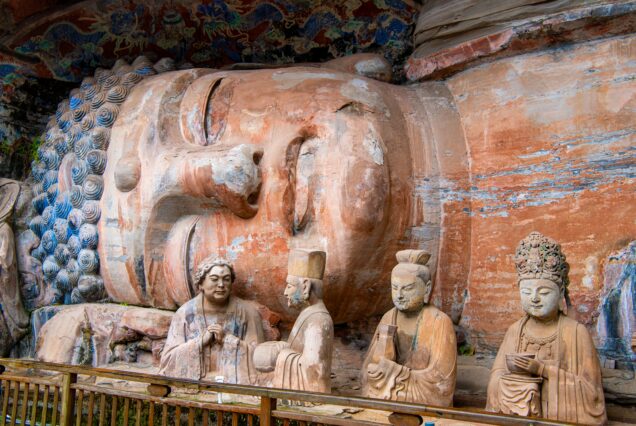
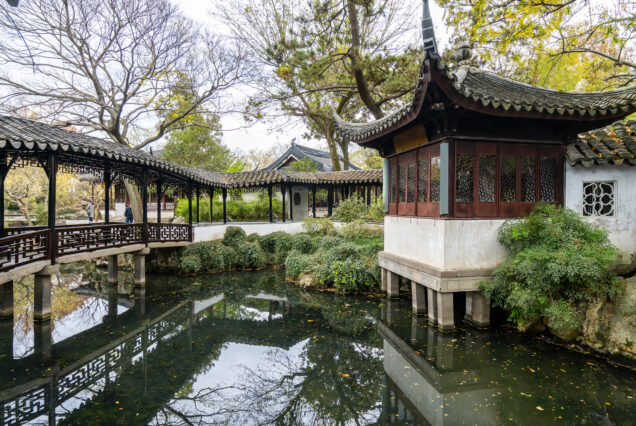
China offers one of the world’s richest and most diverse hiking and trekking landscapes. Across its vast territory, plains, hills, mountain ranges, plateaus, and basins form a dramatic and ever-changing natural canvas. From sacred Buddhist mountains and ancient pilgrimage trails to rolling alpine meadows, pristine rainforests, and towering snow peaks with glaciers, China’s hiking routes span the boundaries between nature and civilization.
The following hiking routes highlight some of the best hiking resorts in China, offering inspiration for a personalized and unforgettable luxury trekking tour in China.
Ⅰ. Longji Rice Terraces Hiking Routes (龙脊梯田)
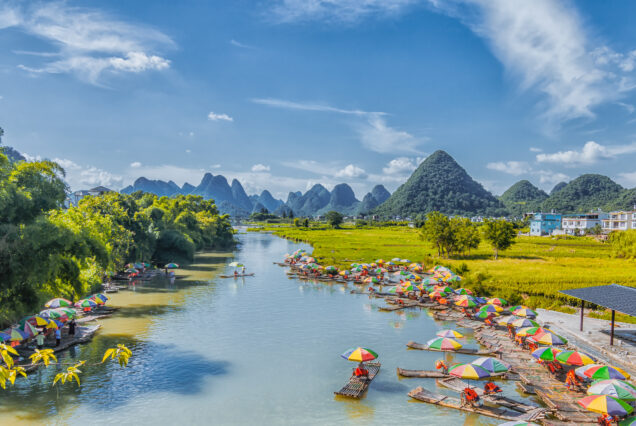
Located in Longsheng County near Guilin, Guangxi, the Longji Rice Terraces are celebrated for their centuries-old rice-farming heritage, where dramatic mountain landscapes blend seamlessly with vibrant ethnic cultures.
The terrace complex is made up of three distinct scenic areas: Jinkeng Red Yao Rice Terraces, Ping’an Zhuang Rice Terraces, and Ancient Zhuang Village Rice Terraces.
· Jinkeng Red Yao Rice Terraces are renowned for their grand scale and panoramic views, while preserving the traditional attire, songs, and dances of the Red Yao people.
· Ping’an Village is known for its classic Zhuang architecture, rich cultural traditions, and well-developed visitor facilities.
· Ancient Zhuang Village is more secluded and tranquil, offering an unspoiled atmosphere ideal for travelers seeking a slower, more immersive experience.
Each area features distinctive hiking routes designed to accommodate different interests and levels:
1. Ping’an Zhuang Village Terraces Classic Loop Trail (平安寨)
An excellent choice for first-time visitors or hikers with moderate fitness. The trail begins at the Ping’an Village parking area and descends along stone-paved paths to the “Nine Dragons and Five Tigers” viewpoint. The route is about 2 km long with gentle gradients, offering continuous views of layered rice terraces and traditional stilted houses. Early mornings often bring mist and clouds, creating a dreamlike scene. The return route climbs gradually via the “Seven Stars with the Moon” viewpoint, forming a relaxed loop. Total hiking time is around 2–3 hours.
· Hiking Difficulty: Easy
· Highlights: Nine Dragons and Five Tigers · Seven Stars with the Moon · Zhuang ethnic culture
2. Jinkeng Red Yao Village In-Depth Traverse (金坑红瑶寨)
Jinkeng is home to three iconic viewpoints: No.1 West Hill Music (西山韶乐), No.2 Thousand-Layer Sky Stairway (千层天梯), and No.3 Golden Buddha Peak (金佛顶). Starting from Tiantouzhai Village (田头寨), the route passes the second and first viewpoints before ascending to Golden Buddha Peak.
Covering about 5 km with an elevation gain of nearly 400 meters, this hike route requires a reasonable level of fitness. The scenery is especially spectacular at sunrise, when golden light spills across the terraces and mist rises from the valleys below.
· Hiking Difficulty: Moderate
· Highlights: Grand rice-terrace vistas · Red Yao culture · Traditional village life
3. Ancient Zhuang Village (古壮寨) to Ping’an Village Cross-Hike
A quieter, lesser-known route rich in wilderness appeal. Beginning in Ancient Zhuang Village, the trail follows mountain paths through undeveloped hamlets and secluded sections of rice terraces before reaching Ping’an Village.
The hike covers approximately 7 km and takes 4–5 hours, making it ideal for those who value authenticity, tranquility, and off-the-beaten-path exploration.
· Hiking Difficulty: Challenging
· Highlights: Hidden trails · Pristine landscapes · Authentic rural atmosphere
Ⅱ. Xishuangbanna Rainforest Hiking
Nestled in Xishuangbanna Dai Autonomous Prefecture, Yunnan, Jinuo Mountain is an ancient tropical rainforest that has been inhabited by the Jinuo people for generations. Characterized by lush vegetation, high humidity, ever-changing terrain, and crystal-clear streams, the region offers an exceptional destination for immersive rainforest trekking site in China.
The Jinuo Mountain hiking network spans areas such as Baduo (巴朵), Situ (司土), Bapiao (巴飘), Nanpa (南帕), and Mozhuo (么卓), with routes designed in both short and long routes.
· The short route covers approximately 4 km and is ideal for beginners, taking 4–5 hours to complete. Hikers pass through banana groves and dense rainforest while enjoying interactive activities including bamboo rafting, high jungle swings and banyan tree climbing.
· The long route extends to around 8 km and requires 5–6 hours, leading deep into the heart of the rainforest. More physically demanding, this route must be undertaken with a professional guide, rewarding hikers with a deeper sense of exploration and wilderness immersion.
Rainforest hiking in Xishuangbanna goes well beyond scenic walking. Along the way, travelers can experience jungle ziplining, fig-tree rappelling, high-altitude swings, and distinctive rainforest-style meals. After the trek, guests are invited into Jinuo mountain villages for immersive cultural encounters, from traditional drum dances to machete-cloth making, accompanied by storytelling that brings Jinuo heritage vividly to life. The experience weaves together untouched nature and living culture in a truly unforgettable trekking trip to China.
· Hiking Difficulty: Easy to Moderate
· Highlights: Pristine tropical rainforest · Deep cultural immersion · Thrilling jungle adventures
III. Gaoligong Mountain Hiking Routes (高黎贡)
Located on the western bank of the Nu River in northwestern Yunnan, Gaoligong Mountain National Nature Reserve is the largest protected area in the province. It is renowned for its extraordinary biodiversity, distinct vertical climate zones, diverse vegetation types, and a high concentration of rare and endangered species. Stretching across western Yunnan, the Gaoligong range rises dramatically to 5,128 meters, forming a vital part of the Hengduan Mountains. Its vast elevation gradients create pronounced vertical ecosystems and rapidly shifting microclimates, giving the region outstanding ecological significance.
Within the reserve, three signature hiking routes in China offer diverse experiences for different fitness levels and travel styles:
1. Baihualing Loop Trail (百花岭)
An easy, family-friendly hiking trail in China for ideal for beginners and nature lovers seeking a relaxed introduction to Gaoligong Mountain. The trail meanders through dense primary forest, following shaded paths alongside flowing streams, with opportunities to unwind in natural wild hot springs.
The loop covers 5–7 km and takes approximately 3 hours. Along the way, hikers encounter pristine rainforest scenery, steaming hot springs, cascading waterfalls, volcanic formations, and crystal-clear mountain streams—an atmosphere of pure tranquility.
· Hiking Difficulty: Easy
· Highlights: Natural hot springs · Volcanic waterfalls · Lush primary forest
2. Five Streams Waterfall Trail (五道溪瀑布)
A “light-luxury outdoor experience” that blends wilderness immersion with comfort and accessibility. Well-constructed stone steps and boardwalks make this route suitable for hikers of nearly all ages, from young children to seniors.
Spanning approximately 7 km, the trail begins at the Linjiapu (林家铺) Monitoring Station and follows a mountain stream upstream, passing a series of dramatic waterfalls including Sandieshui Waterfall (三叠水), Guafengyan Waterfall (挂蜂岩), and Pearl Waterfall (珍珠瀑). The area is also a key habitat for rare species such as ancient tree ferns, silver pheasants, and the endangered Yunnan golden snub-nosed monkey.
A wilderness kitchen along the route offers nature-inspired meals, while optional extensions include visits to Jiangju Ancient Town (江苴古镇), the Longchuan River Xiaotangba (龙川江硝塘坝), and nearby volcanic black-stone landscapes.
· Hiking Difficulty: Easy
· Highlights: Hidden waterfall valleys · Refined wilderness comfort · Exceptional biodiversity
3. Nanzhai Gongfang Cross-Mountain Trek (南斋公房)
A classic traverse where untouched nature and layered history converge. This route traces the historic footsteps of the Chinese Expeditionary Force and sections of the legendary Ancient Tea Horse Road, while cutting through some of Gaoligong Mountain’s most spectacular primary forests.
Along the way, hikers may encounter over 400 species of birds, alpine rhododendrons, fir forests, and other high-altitude vegetation, offering an immersive journey into what is often described as a “global gene bank of species.”
This trek route begins at Baihualing, about 90 km from Baoshan (保山), and concludes at Linjiapu, roughly 50 km from Tengchong, with convenient access at both ends. On clear days, panoramic views of rolling mountain ranges and billowing seas of clouds unfold from the ridgelines, creating an almost otherworldly experience.
· Hiking Difficulty: Moderate
· Highlights: Remote forest traverse · Deep historical immersion · Ancient mountain trade routes

Ⅳ. Tiger Leaping Gorge Trekking (虎跳峡)
Tiger Leaping Gorge lies in Hutiaoxia Town, Shangri-La City, Diqing Prefecture, Yunnan, carving a dramatic passage between Jade Dragon Snow Mountain and Haba Snow Mountain (哈巴雪山). Famed for its sheer cliffs, thundering river, snow-capped peaks, and vestiges of the ancient Tea Horse Road, it is widely regarded as one of the world’s Top 10 classic hiking routes. Among the deepest and most awe-inspiring gorges on Earth, Tiger Leaping Gorge is revered as the “First Gorge of the Yangtze River” and consistently ranks the most spectacular trekking destinations in China. Walking through the gorge, you can witness the mighty river compressed between towering canyon walls, surging violently through its narrowest section in a breathtaking display of raw natural power.
The High Trail of Tiger Leaping Gorge is one of the most iconic and sought-after trekking trails worldwide, attracting hikers from across the globe. The trail begins in Hutiaoxia Town near Shangri-La and ends at Middle Tiger Leaping Gorge, following a high-altitude path etched into the slopes of Haba Snow Mountain. The route covers approximately 25 km.
Along the trail, the grandeur of the Hengduan Mountains unfolds in striking contrast to the abyss below. Sheer rock faces rise on both sides, while the scenery reveals itself in constantly shifting layers, like a scroll painting slowly coming to life. Far beneath your feet, the Jinsha River (金沙江) thunders through the canyon, crashing against rock walls and sending mist and spray into the air as its roar echoes through the gorge. On one side, waterfalls plunge from vertical cliffs; on the other, snow-covered peaks and overlapping ridgelines stretch endlessly into the distance.
This classic trekking route in China spans around 23 km and typically takes 2–3 days to complete. It is best suited to hikers with a reasonable level of fitness and some hikking experience. Throughout the journey, uninterrupted views of snow mountains, deep gorges, waterfalls, and the roaring river below create a deeply immersive encounter with the wild, untamed spirit of Tiger Leaping Gorge.
· Hiking Difficulty: Moderate
· Highlights: Snow-capped peaks · Dramatic canyon landscapes · The roaring Jinsha River
Ⅴ. Wugong Mountain Hiking Routes
Mount Wugong, located in southeastern Pingxiang City, Jiangxi Province, is one of the region’s most celebrated mountain destinations. The scenic area is composed of four main sections: Golden Peak (Jinding金顶), Sheep and Lion Curtain (羊狮幕), Jiulong Mountain (九龙山), and Fayunjie (发云界). Wugong Mountain is famed for China’s largest alpine meadow, a defining landscape that has earned it the reputation of a true “hiker’s paradise.”
From spring through summer, hikers come for glowing sunrises and seas of clouds; in autumn and winter, the golden meadows steal the spotlight. With distinct beauty in every season, Wugong Mountain offers year-round hiking appeal.
1. Beginner-Friendly Classic Sightseeing Route
The most accessible and well-developed route on Wugong Mountain, this trail is ideal for first-time hikers and casual walkers. The route follows:
Pingxiang Wugong Mountain Visitor Center → Shigu Temple (石鼓寺) → Zhong’an Cableway (中庵索道) → Purple Palace (Zhong’an) (紫极宫) → Wish-making Bridge (许愿桥) → Jinding Cableway → Golden Peak.
Covering approximately 10 km, the route can be completed in 1–2 days. Infrastructure along the way is excellent, allowing hikers to combine walking with cableway rides according to their fitness level. Those using the cableway can comfortably visit the main highlights in one day.
· Hiking Difficulty: Easy
· Highlights: Well-developed facilities · Golden Summit night sky · Stunning sunrise views
2. Classic Light-Trekking Route
One of the most popular routes among hiking enthusiasts, this trail offers a balanced mix of moderate effort and scenic variety. The route follows:
Huangguochong (黄狗冲) → Despair Slope (绝望坡) → Guanyin Cliff (观音宕) → Diaoma Stake (吊马桩) → Golden Summit,
with a total distance of approximately 15 km, typically completed over 2 days.
The physical demands are moderate, making it accessible to most hikers. Along the way, the trail passes through bamboo forests, mountain streams, dirt paths, and several iconic viewpoints. Multiple supply points are available, and many hikers choose to stay overnight at Golden Summit before descending the following day by cableway or on foot to Shigu Temple.
· Hiking Difficulty: Moderate
· Highlights: Varied terrain · Classic Wugong landscapes · Convenient supply points
3. Classic Cross-Mountain Traverse
This route follows:
Longshan Village (龙山村) → Fayunjie → Despair Slope → Guanyin Cliff → Diaoma Stake → Golden Summit,
covering approximately 24 km over 2 days.
The initial section from Longshan Village to Fayunjie is a demanding ascent, with an elevation gain of around 1,300 meters, requiring strong endurance and prior hiking experience. From Fayunjie to Diaoma Stake, hikers enter the most iconic alpine meadow section of Wugong Mountain, walking along sweeping ridgelines and rolling peaks. This segment delivers the mountain’s most dramatic scenery and perfectly captures the phrase: “your body in hell, your eyes in paradise.”
· Hiking Difficulty: Upper-Moderate
· Highlights: Core alpine meadow scenery · Breathtaking ridgeline views
4. Wugong Mountain Grand Long-Distance Loop
The most challenging route on Wugong Mountain, this route follows:
Shenzi Village (沈子村) (Pingxiang) → Jiulong Mountain → Golden Summit → Despair Slope → Fayunjie → Sheep and Lion Curtain → Mingyue Mountain (明月山).
Spanning approximately 49 km and typically completed in 3 days, this route demands both physical stamina and mental resilience. For seasoned trekkers, it represents the ultimate Wugong Mountain experience, an immersive, panoramic journey that encompasses all of the mountain’s most iconic landscapes and hiking highlights in one unforgettable adventure.
· Hiking Difficulty: Challenging
· Highlights: Panoramic cross-mountain traverse · The complete Wugong Mountain hiking experience.
Ⅵ. Meili Snow Mountain – North Slope Trek
Meili Snow Mountain rises within the world-famous Three Parallel Rivers region, where the Lancang (Mekong), Jinsha (upper Yangtze), and Nu Rivers run side by side. It forms the most dramatic snow-capped range in the central Nu Mountains, with tightly linked peaks and sheer rock faces carved like blades, stretching for hundreds of kilometers in a breathtaking display of alpine grandeur. Scattered across this sacred landscape are legendary sites such as Yubeng Village (雨崩村), glacial lakes (冰川圣湖), and the iconic spectacle of “Sunlight on the Golden Peaks,” when dawn ignites the snow-covered summits in glowing gold.
The North Slope of Meili Snow Mountain encompasses the northern ridgeline of the range. From east to west, it includes Nairi Dingka (奶日顶卡) (6,379 m), MangKuang LaKa (芒框腊卡) (6,040 m), and Cogar Laka (措格腊卡) (6,509 m). The peaks align in a striking east–west formation, with vast glaciers cascading beneath the summits. Wild, remote, and largely untouched, this region is often described as the last great hidden realm of Meili Snow Mountain and is revered as the closest place to the sacred peak Kawagebo.
The Meili North Slope Trek begins in Yagong Village, Deqin County, in Diqing Prefecture, Yunnan. Circling the northern foothills of the range, the route covers approximately 50 km, with a cumulative ascent and descent of around 3,600 meters. Elevations range from 2,900 meters to a high point of 5,200 meters. Along the way, hikers enjoy uninterrupted views of towering snow peaks, sweeping glaciers, vast star-filled skies, and radiant alpine sunrises, an immersive high-altitude journey that stirs both the senses and the soul.
· Hiking Difficulty: Moderate
· Highlights: Snow-capped peaks and glaciers · Golden sunrise over Meili · Pristine night skies
VII. Mount Wutai Hiking Routes
Located in Xinzhou, Shanxi Province, Mount Wutai is revered as the foremost of China’s Four Sacred Buddhist Mountains and the principal bodhimaṇḍa of Manjushri Bodhisattva.
Renowned for its five broad, flat summits, millennia-old monasteries, and cool alpine climate, Mount Wutai uniquely blends Han and Tibetan Buddhist traditions. With its broad, open terrain and solemn, majestic scenery, Mount Wutai stands as both a major pilgrimage destination and a highland sanctuary where spiritual legacy and natural beauty meet.
Alongside Lumbini in Nepal and Sarnath, Bodh Gaya, and Kushinagar in India, Mount Wutai is honored as one of the Five Great Buddhist Sacred Sites of the World.
Hiking Mount Wutai is more than a physical journey, it is an experience of spiritual reflection and renewal. Moving between the five terraces, accompanied by fluttering prayer flags, ancient temples, and mountain winds, travelers experience a profound resonance between faith, landscape, and inner reflection.
Pilgrimage trekking routes on Mount Wutai are generally divided into clockwise (forward traverse) and counterclockwise (reverse traverse) options. Each route differs in distance, intensity, and scenic pacing, making them suitable for hikers with varying timeframes and fitness levels.
1. Counterclockwise Route (Classic 2-Day Route)
Hongmen Rock (鸿门岩) – North Peak – Zhaoyuchi (澡浴池) – Central Peak – West Peak – Jixiang Monastery (吉祥寺) – Shiziwo Temple (狮子窝) – Jinge Temple (金阁寺) – South Peak – Kuantan Village (宽滩村) / Fomu Cave (佛母洞)
This classic hikking itinerary follows a relatively compact pace and is ideal for hikers with limited time. Spanning approximately 50 km, the route is best completed over two days. It connects the core peaks: North, Central, West, and South, as well as several of Mount Wutai’s most significant monasteries, offering a balanced blend of cultural depth and natural scenery. The trek is usually completed by midday on the second day.
· Hiking Difficulty: Moderate
2. Clockwise Route (Complete & In-Depth Route)
Hongmenyan – East Peak – South Peak – Huyingou (护银沟) – Fomu Cave – South Peak – Jinge Monastery – Shiziwo – Qingliang Temple (清凉寺) – West Peak – Central Peak – Zhaoyuchi – North Peak – Hongmenyan
The clockwise route is longer and delivers a comprehensive, panoramic pilgrimage across Mount Wutai. Linking nearly all major peaks and classic trail sections, the full circuit covers approximately 70 km and is best completed over 2–3 days. With greater variation in terrain, elevation, and daily pacing, this route is well suited to hikers with ample time who seek deeper immersion in Mount Wutai’s religious atmosphere and expansive highland landscapes.
· Hiking Difficulty: Challenging
Whether you are a beginner who enjoys relaxed walks or an experienced trekker seeking more demanding routes, China hiking and trekking tours led by professional guides and outdoor teams offer the chance to encounter truly breathtaking landscapes along the way.
Get in touch with SMCOrientrip to design your own private, tailor-made hiking & trekking tour in China.
You May Like:
Recommend Packages:
Start Planning Your Trip Now!
Simply fill out our form and plan your China travel.