China’s Silk Road is a historic trade and cultural route that linked East Asia with Central Asia, South Asia, the Middle East, and Europe.
This extensive network of overland and maritime routes passed through key cities such as Xi’an, Dunhuang, Lanzhou, Turpan, and Kashgar, extending into Central Asia.
The Silk Road tour’s traverses five Chinese provinces: Shaanxi, Gansu, Ningxia, Qinghai, and Xinjiang, featuring notable destinations like Xi’an, Lanzhou, Xining, Dunhuang, Turpan, Urumqi, and Kashgar. Along this ancient corridor, the travelers can craft a Silk Road trip itinerary with SMCOrientrip and explore a wealth of captivating relics, cave temples, ancient fortresses, historic cities, ruins, desert landscapes, and exotic cultures, offering a rich tapestry of historical heritage and stunning natural beauty.
 Highlights of China Silk Road Tours:
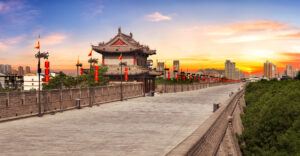
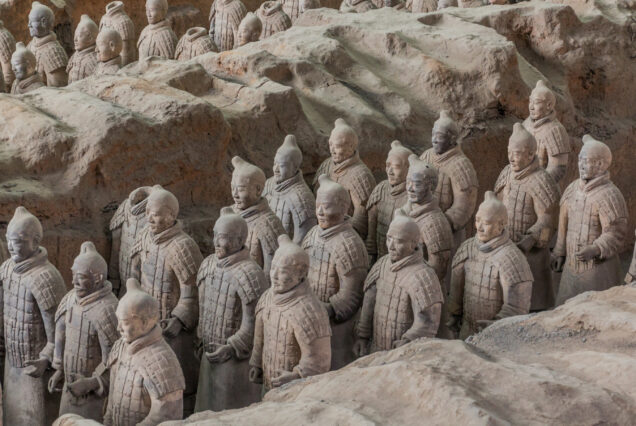
- Xi’an: As a starting point of the Silk Road trip in China, Xi’an was the ancient capital of China and a major cultural and economic hub for various dynasties. The city is renowned for its historic sites, including the Terracotta Army and the Big Wild Goose Pagoda, making it a central location for experiencing Silk Road heritage.
- Dunhuang: Situated in Gansu Province, Dunhuang was a crucial Silk Road city with a rich cultural and historical legacy. It is famous for the Mogao Caves, a remarkable collection of Buddhist art featuring extensive murals and statues. Dunhuang’s striking desert scenery and distinctive culture further enhance its appeal to visitors.
- Jiayuguan: This Gansu city marks the western end of the Ming Dynasty Great Wall and is a significant Silk Road site. Known as the “First and Greatest Pass Under Heaven,” Jiayuguan is an important fortress that symbolizes the historical exchange between China and the world along the Silk Road.
- Urumqi: As a major Silk Road hub in the Grassland region, Urumqi is celebrated as the “Pearl of the Silk Road.” Key attractions include Tianchi (Heavenly Lake) and the Xinjiang Museum, both highlighting the region’s rich history and diverse cultural heritage.
- Turpan: Located in eastern Xinjiang, Turpan is a vital oasis city on the Silk Route tour. Despite its dry climate, the city features a range of historical and natural sites, such as the ancient city of Jiaohe and the Flaming Mountains.
- Kashgar: Renowned as a vibrant jewel of the Silk Road, Kashgar has been a major crossroads for over two millennia. The city’s Old Town offers a chance to experience traditional Uyghur culture, and the Id Kah Mosque, the largest mosque in Central Asia, stands as a significant religious site in the region.
China Silk Road Tour Experiences:
1. Unique Charm of Historical and Cultural Relics:
The Silk Road is home to numerous world-class historical sites, such as the Terracotta Army of Emperor Qin, the Mogao Caves in Dunhuang, Famen Temple, and Jiayuguan Pass. These iconic landmarks stand as witnesses to the glory of the Silk Road and offer invaluable insights into ancient Chinese civilization and culture.
2. Diverse Natural Landscapes:
From the vibrant hues of Zhangye Danxia to the mystical Crescent Moon Spring in the Mingsha Mountains, and the vast deserts, grasslands, and majestic snow-capped peaks of Xinjiang, the Silk Road’s natural beauty is diverse and awe-inspiring, painting a breathtaking picture of nature.
3. Rich Cultural Experiences:
The Silk Road of China tour is not just a treasure trove of historical sites and natural wonders, but also a melting pot of cultures. Engaging in local cultural activities, such as traditional music, dance performances, and folk craft experiences, offers travelers a deeper sense of cultural immersion.
4. Vibrant Ethnic Diversity:
The Silk Road Trip in China stretches through regions like Xinjiang and Gansu, where multiple ethnic groups thrive. Visitors can enjoy the distinctive songs and dances of the Uyghurs, Kazakhs, and other ethnic groups, savor authentic local cuisine, and immerse themselves in the rich ethnic customs and cultural atmosphere.
Best Time to Visit the China Silk Road: Climate & Seasonal
To help you plan the perfect China Silk Road itinerary, here is a comprehensive guide to the climate and best travel seasons across the region.
Best Time to Visit China Silk Road: April–June and September–October (ideal for mild weather, clearer skies, and comfortable outdoor travel)
1. Shaanxi Province
- Climate: Temperate monsoon climate with hot summers, cold dry winters, and short, dry spring and autumn seasons.
- Best Time to Visit: March–May, September–November
- Why Visit During This Time:
Spring and autumn offer pleasant temperatures (spring 10–25°C, autumn 15–28°C), low rainfall, and clear air, perfect for exploring ancient cities, cultural sites, and scenic walking routes.
2. Gansu Province
- Climate: Highly varied due to diverse terrain, ranging from deserts and mountains to plateaus. The region is dry with significant temperature differences between day and night.
- Best Time to Visit: May–June, September–October
- Why Visit During This Time:
Spring and autumn feature moderate temperatures and reduced sandstorms, avoiding the summer heat and winter chill. These months offer the best conditions for visiting iconic landscapes such as the Mogao Caves, Zhangye Danxia, and Jiayuguan Pass.
3. Ningxia Hui Autonomous Region
- Climate: Typical continental dry / semi-arid climate with large diurnal temperature variations. Summers are dry, winters are cold.
- Best Time to Visit: May–October
- Why Visit During This Time:
Weather is mild, dry, and stable with excellent visibility, ideal for sightseeing, hiking, and photography. Autumn is especially beautiful with golden poplar forests and the goji berry harvest, offering rich natural and cultural experiences.
4. Qinghai Province
- Climate: High-altitude continental climate characterized by strong sunlight, cool temperatures, and large day–night temperature differences.
- Best Time to Visit: June–August
- Why Visit During This Time:
Summer brings mild temperatures, lush green grasslands, blooming rapeseed flowers, and the most stunning views of lakes and mountain landscapes, perfect for photography, trekking, and highland exploration.
5. Xinjiang Uyghur Autonomous Region
- Climate: Typical continental dry / semi-arid climate with very low rainfall and extreme temperature contrasts.
- Best Time to Visit: April–October
- Why Visit During This Time:
April–June: Warming temperatures, vibrant blossoms and fresh green grasslands.
June–August: Peak season for northern Xinjiang’s grasslands and lakes like Sayram Lake, Kanas, and alpine meadows are at their most beautiful and pleasant for summer travel.
September–October: The most spectacular season with cool, stable weather and golden poplar forests, ideal for photography, road trips, and cultural exploration.